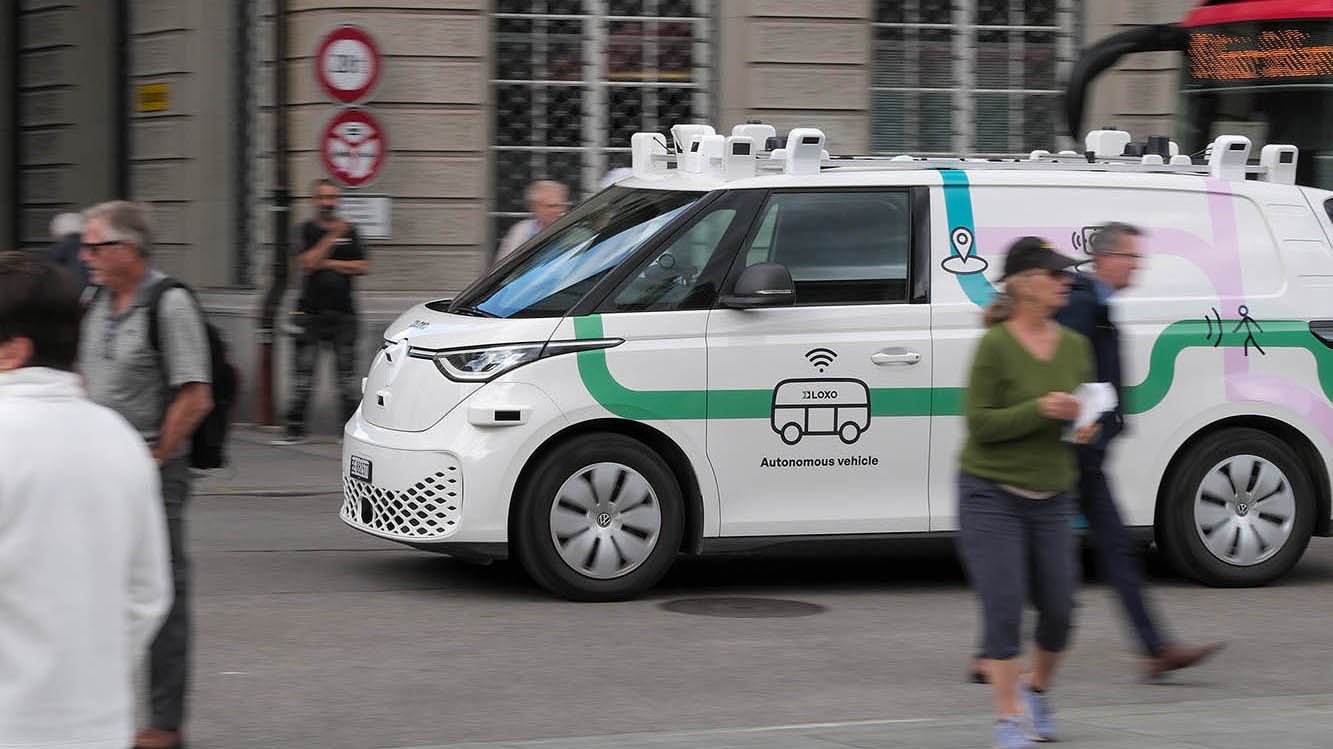
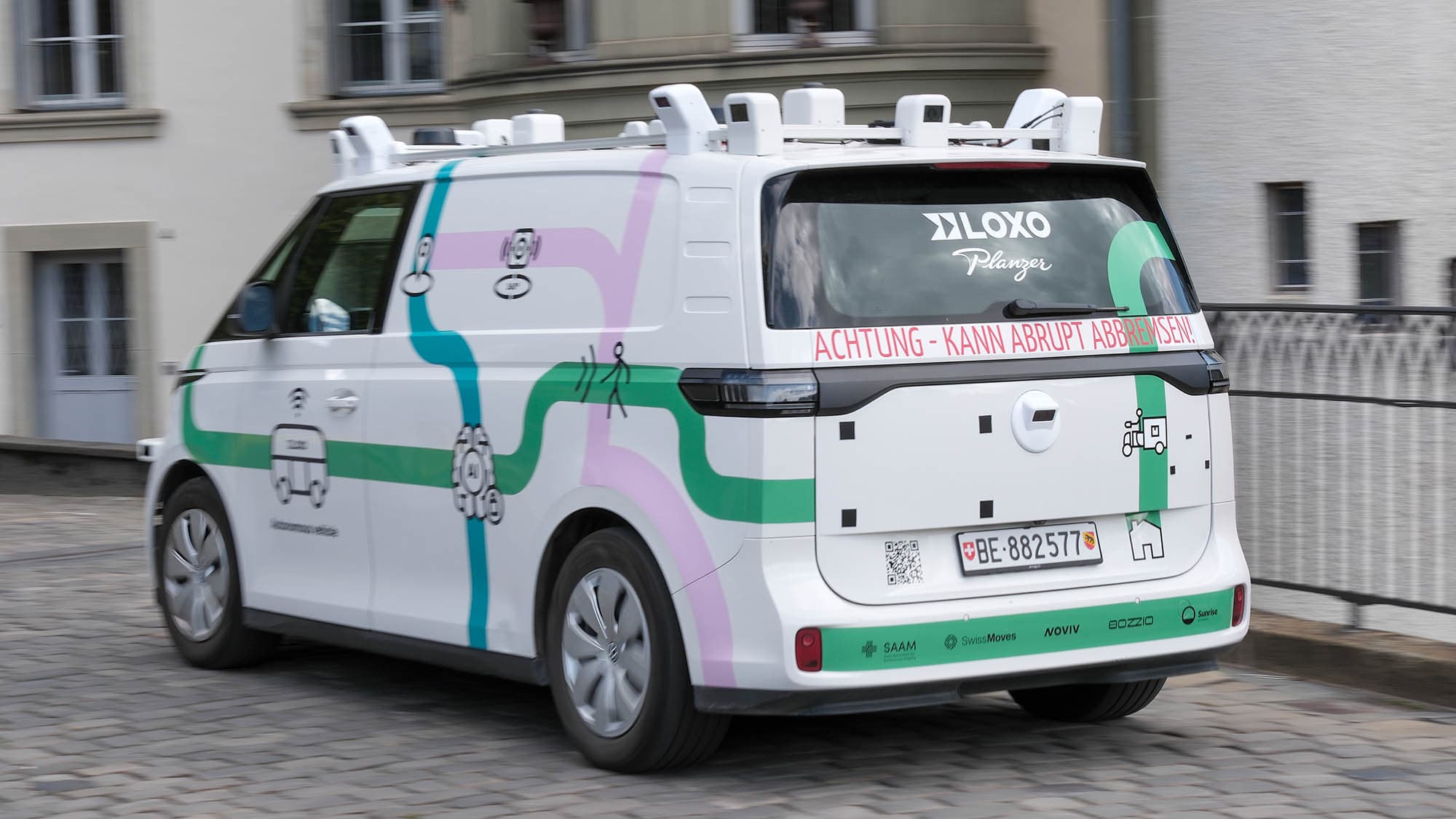
Modern on-board computers are the digital brains of autonomous vehicles and mobile machines. They process sensor data in real time and enable AI-powered functions such as computer vision and sensor fusion.
Anyone who associates the term on-board computer primarily with infotainment, cockpit systems, or traditional automotive control units is no longer seeing the full picture. In construction equipment, agricultural vehicles, automated guided vehicles (AGVs), autonomous mobile robots (AMRs), and specialty vehicles, the on-board computer is taking on an increasingly central role. It processes data from cameras and LiDAR sensors, handles navigation tasks, and connects the vehicle to higher-level systems.
The on-board computer has evolved from a traditional vehicle computer into a powerful industrial edge computing platform.
What Is a Modern On-Board Computer?
In mobile machines, the on-board computer serves as the interface between sensors, vehicle control systems, and digital infrastructure. Depending on the application, it can perform the functions of a vehicle ECU, an edge computer, or even a central vehicle computer.
A typical system processes data from cameras, LiDAR, radar, GNSS, or encoders directly in the vehicle. At the same time, it communicates with control units and actuators via CAN, J1939, or Ethernet. Wi-Fi or cellular connectivity can also be used to connect cloud and fleet management systems.
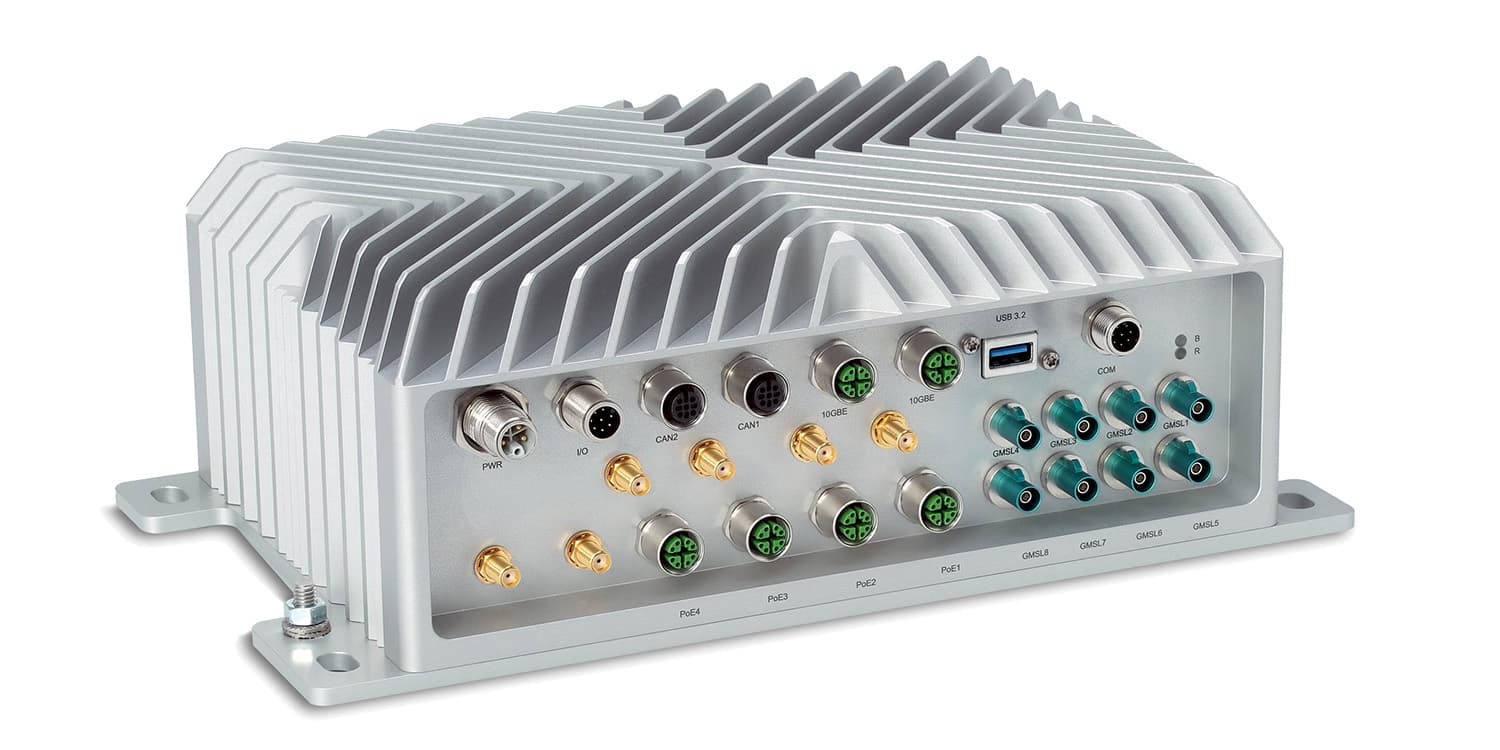
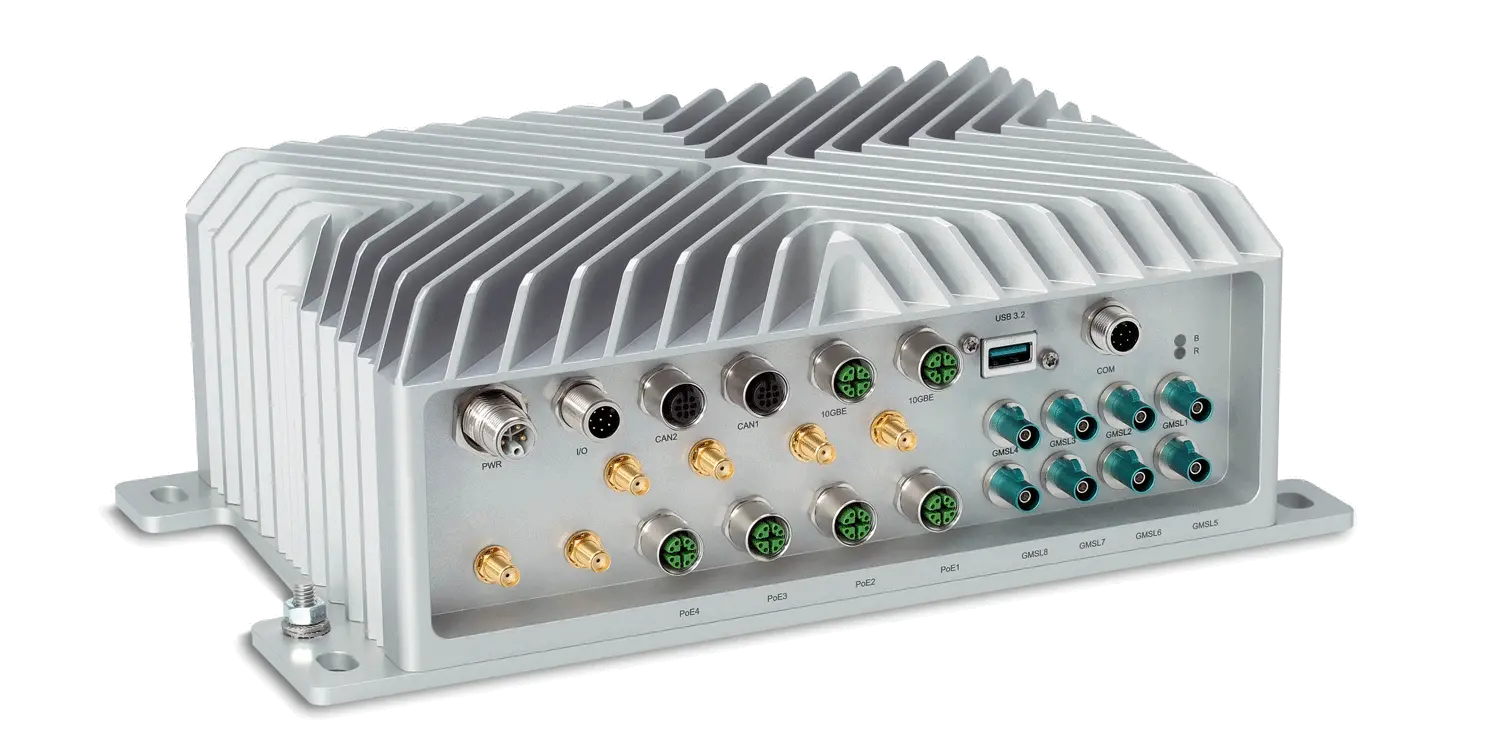
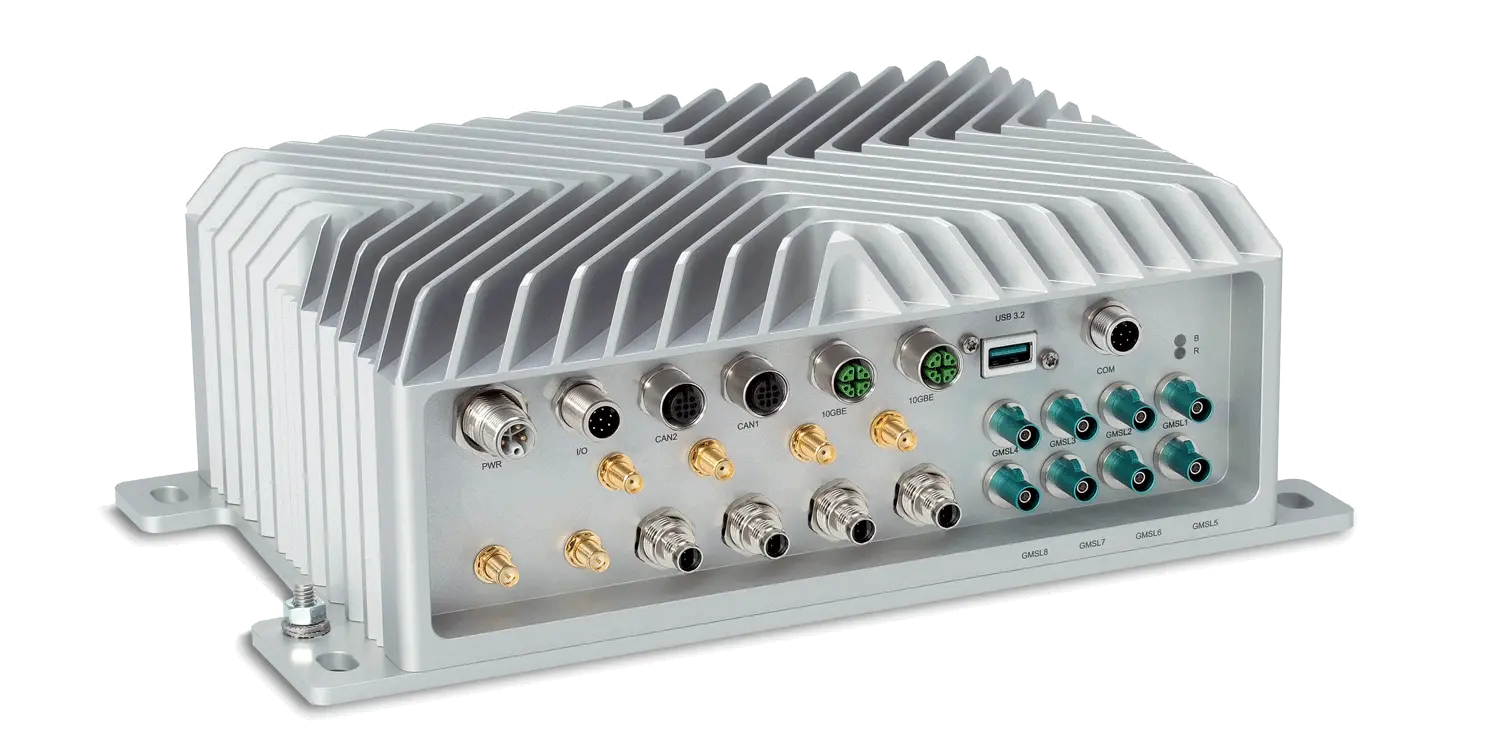
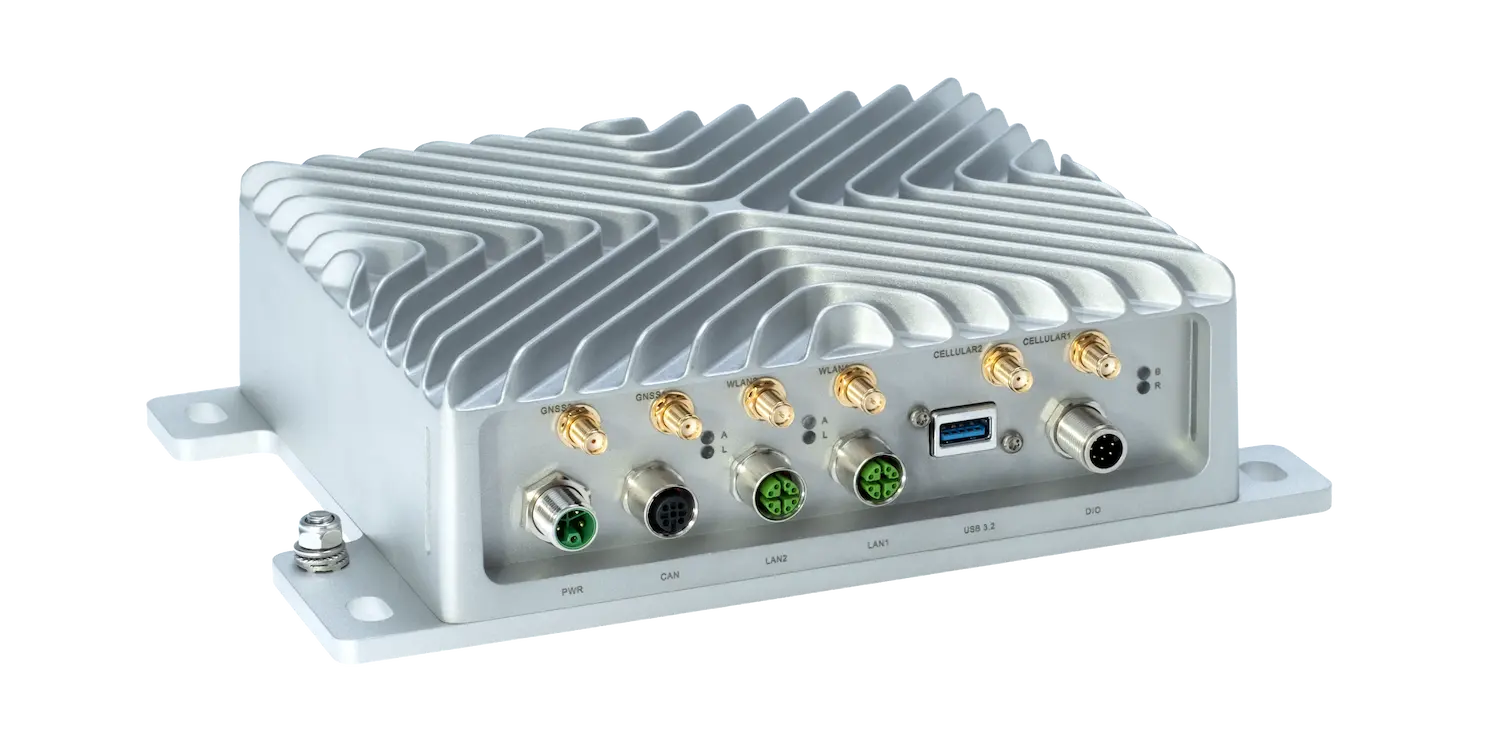
Syslogic demonstrates how far this evolution has progressed with an edge computer for autonomous mobile robots. The platform combines an NVIDIA SoM (System on Module) with interfaces for 3D sensors and processes sensor data directly on the vehicle for autonomous navigation.
Edge Computing Brings Processing Power Into the Vehicle
One of the key advantages of modern on-board computers is local data processing. Cameras and LiDAR systems generate large volumes of data. Sending this data to the cloud first would create dependencies on network connectivity and introduce additional latency.
With edge computing, data is processed directly in the vehicle. This is critical for autonomous systems. Obstacles can be detected, positions determined, and decisions made within fractions of a second.
Powerful CPUs, GPUs, and increasingly AI accelerators enable functions that previously required multiple separate systems. These include:
Connectivity to cloud and fleet management platforms
The on-board computer is therefore becoming the central edge computing platform within the vehicle.
On-board computers also play a key role in modern agriculture.
From Control Unit to Intelligent Vehicle Platform
The scope of electronic functions in mobile machinery is also expanding. Various manufacturers are combining control units, sensors, displays, telematics, and software into integrated platforms for mobile machines. A similar trend can be seen in off-highway vehicles, where integrated control systems handle tasks such as visualization, application logic, and vehicle communication.
As a result, the boundaries between vehicle ECUs, HMIs, gateways, and industrial edge computers are becoming increasingly blurred. At the same time, hardware requirements are rising. An on-board computer must not only provide high computing performance but also withstand vibration, shock, dust, moisture, voltage fluctuations, and wide temperature ranges.
AI Is Transforming the On-Board Computer
Autonomous functions also require artificial intelligence directly in the vehicle. GPU-accelerated platforms such as NVIDIA Jetson are particularly well suited to this task. They enable the parallel processing of multiple high-resolution sensor streams and the execution of neural networks directly at the edge. This allows mobile machines to perceive their surroundings, classify objects, and make decisions based on the data they collect.
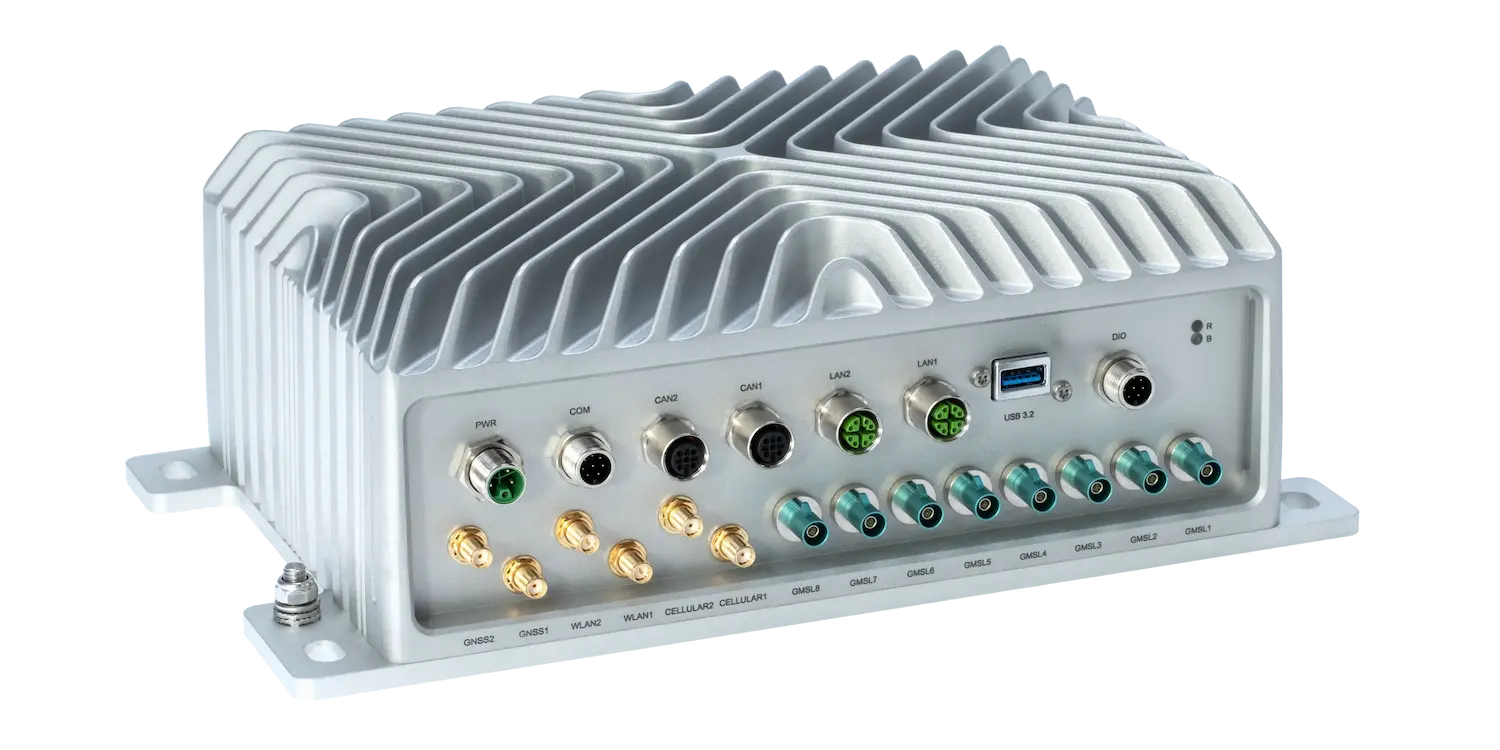
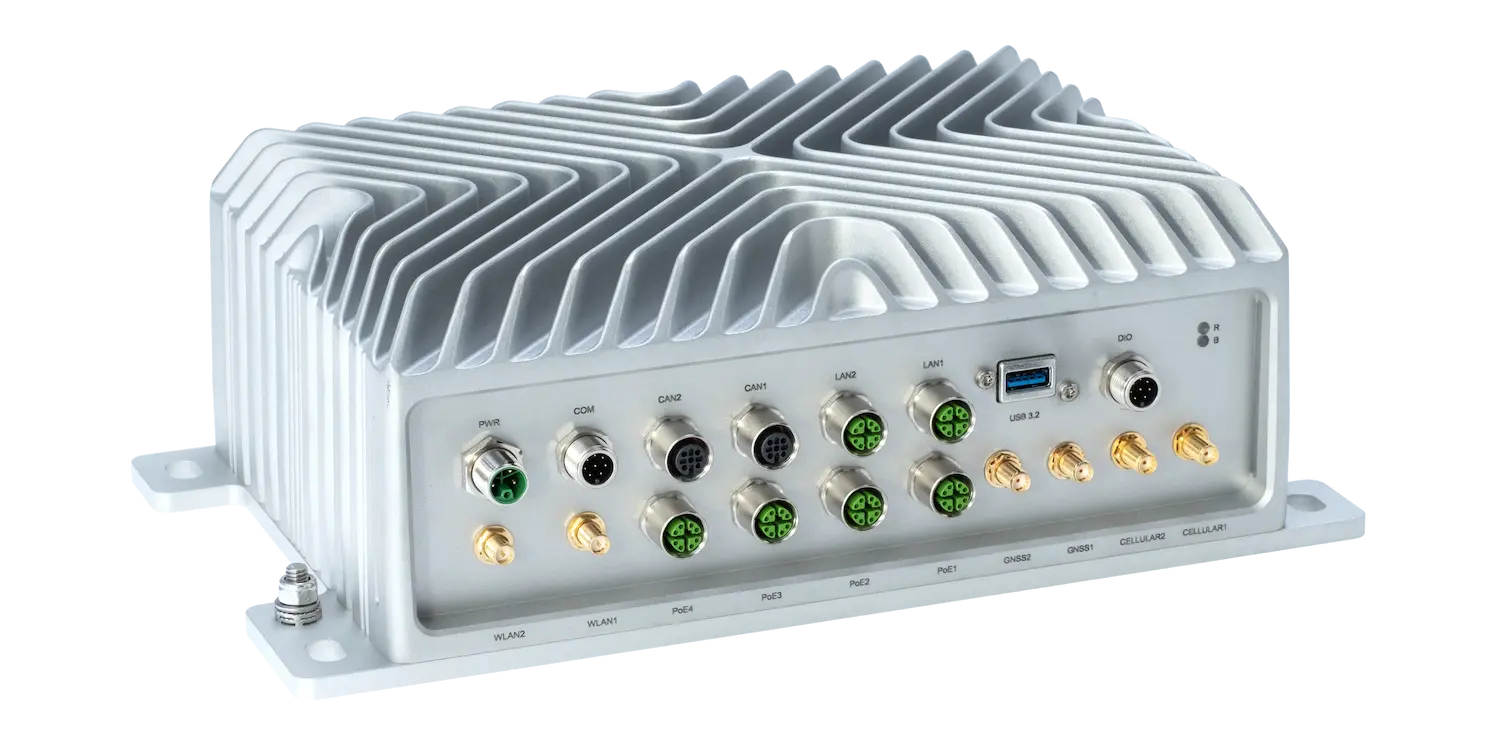
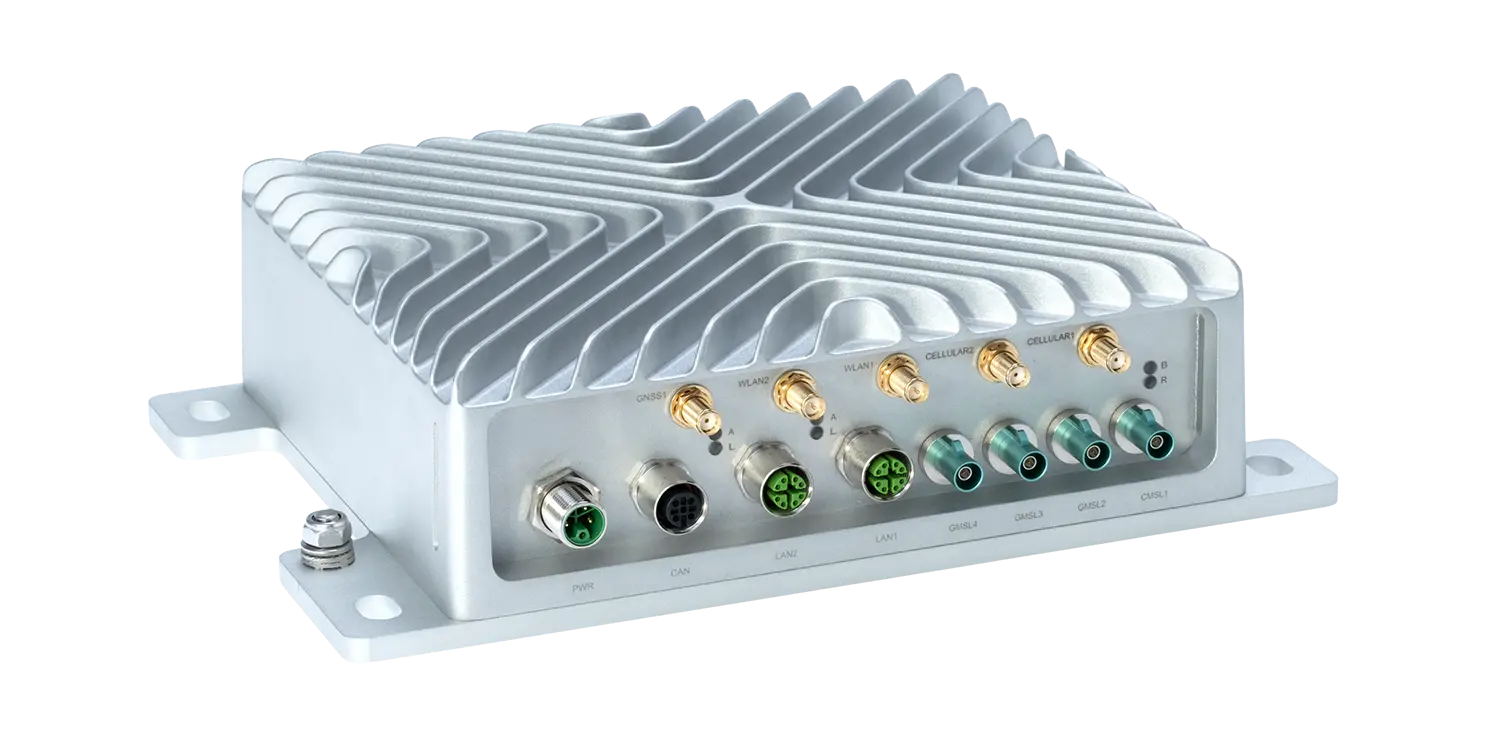
This is exactly where Syslogic's Rugged AI Edge Computers come into play. These NVIDIA Jetson-based embedded systems are designed for industrial applications, mobile machines, and vehicles, combining high AI computing performance with a rugged, fanless design and industrial interfaces.
Sensor Fusion as a Key Technology
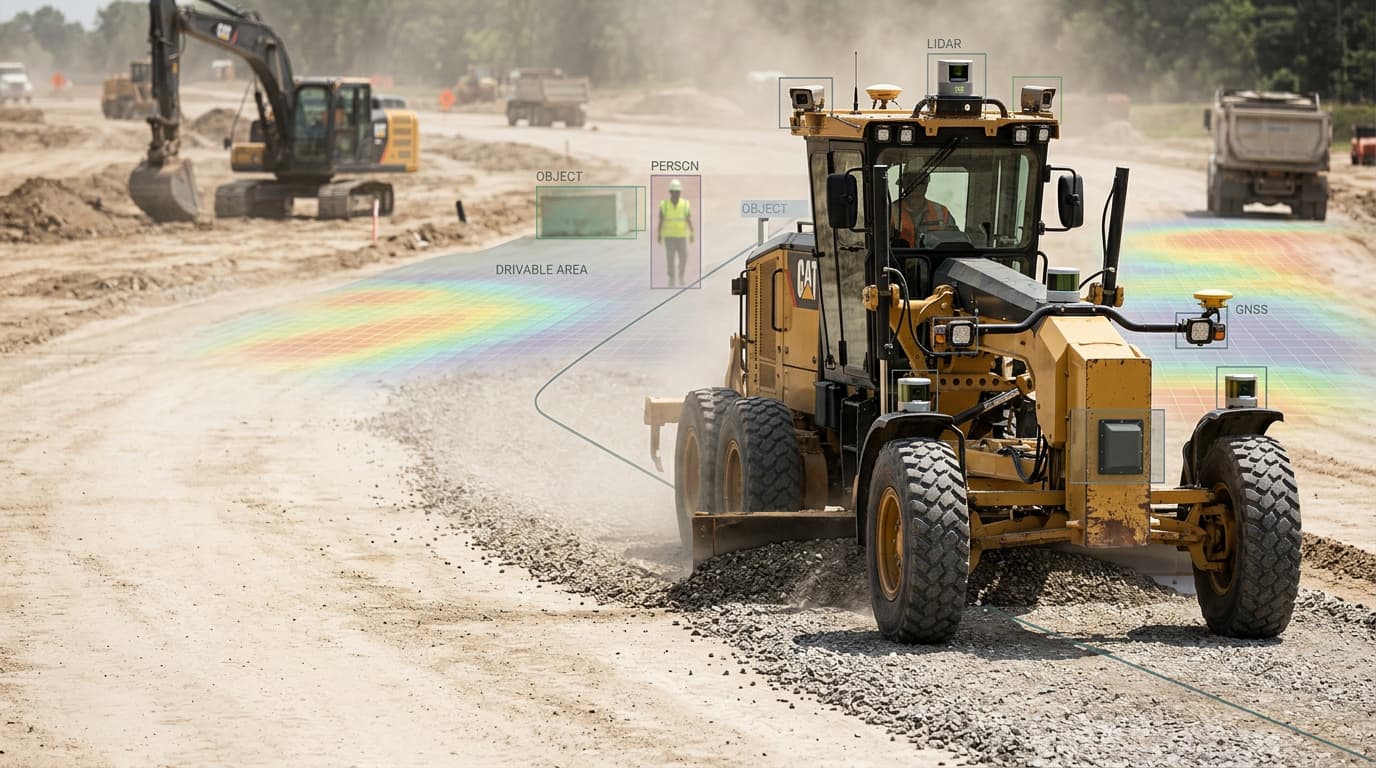
Sensor fusion is particularly important for autonomous vehicles. A camera provides detailed visual information, while LiDAR captures precise distances and spatial structures. GNSS, radar, and other sensors complement this data to create a more complete picture of the environment.
The on-board computer combines these inputs to create a consistent model of the vehicle's surroundings. The more sensors involved, the more important high computing performance and high-speed interfaces become.
Syslogic addresses these applications with AI Edge Computers for vehicles and autonomous machines. Current rugged computing platforms combine NVIDIA Jetson AGX Orin or NVIDIA Jetson AGX Thor with GMSL2 for cameras and Single Pair Ethernet or Automotive Ethernet for high-performance sensor connectivity. This enables camera, LiDAR, and other sensor data to be processed with low latency for sensor fusion and AI applications.
On-Board Computers for the Next Generation of Mobile Machines
Whether used in an autonomous agricultural robot, construction machine, AGV, AMR, or specialty vehicle, the on-board computer is becoming the digital brain of modern mobile machines. It brings together sensors, AI, navigation, communication, and machine control on a powerful edge computing platform.
Computing performance alone, however, is not enough. It is the combination of a powerful CPU/GPU architecture, suitable vehicle interfaces, rugged mechanical design, and long-term industrial availability that turns a standard embedded computer into a reliable vehicle computing platform.
With its NVIDIA Jetson-based AI Edge Computers, Syslogic provides rugged platforms specifically designed for demanding edge AI applications. They provide the foundation for computer vision, sensor fusion, and autonomous functions directly in the vehicle-where sensor data is transformed into real-time decisions.
Looking for a On-Board Computer?
Our technical sales team will be happy to advise you. Depending on the required interfaces, Syslogic can develop a customized on-board computer.
An on-board computer is a powerful vehicle computing system that processes data directly inside a vehicle or mobile machine. Modern on-board computers connect sensors, vehicle control systems, and digital infrastructure. For example, they process data from cameras, LiDAR, radar, or GNSS while communicating with control units and higher-level systems via interfaces such as CAN, J1939, or Ethernet.
What Does an On-Board Computer Do in Autonomous Vehicles?
In autonomous vehicles and mobile machines, the on-board computer performs key tasks such as computer vision, sensor fusion, localization, navigation, and AI inference. By processing sensor data directly in the vehicle, it enables fast, low-latency decision-making. An on-board computer can also handle data logging, condition monitoring, and communication with cloud and fleet management systems.
Why Is Edge Computing Important for On-Board Computers?
With edge computing, large volumes of data are processed directly on the on-board computer instead of being sent to the cloud first. This reduces latency and dependence on network connectivity. For autonomous vehicles, AGVs, AMRs, and mobile robots, this is essential because sensor data must be analyzed and driving decisions made in real time-for example, to avoid an obstacle.
What Interfaces Does a Modern On-Board Computer Need?
The interfaces required by an on-board computer depend on the specific application. CAN and J1939 are commonly used for vehicle communication, while Ethernet is used for network and sensor connectivity. Data-intensive applications may also use technologies such as GMSL2 for cameras and Single Pair Ethernet or Automotive Ethernet. Wi-Fi and cellular connectivity provide additional connections to cloud, telematics, and fleet management platforms.
What Makes a Rugged On-Board Computer Suitable for Mobile Machines?
In addition to high CPU, GPU, and AI computing performance, an industrial on-board computer must operate reliably under demanding environmental conditions. These include vibration and shock, dust and moisture, wide temperature ranges, and vehicle power fluctuations. Rugged NVIDIA Jetson-based AI Edge Computers combine these requirements with the computing performance needed for computer vision, sensor fusion, and autonomous functions, making them suitable for construction equipment, agricultural vehicles, AGVs, AMRs, and specialty vehicles.
By clicking “Accept”, you agree to the storing of cookies on your device to enhance site navigation, analyze site usage, and assist in our marketing efforts. View our Privacy Policy for more information.