The mining industry is undergoing a major transformation. Driven by increasing pressure to improve safety, efficiency, sustainability, and operational uptime, mining companies around the world are investing heavily in autonomous mining trucks and autonomous earthmoving technologies.
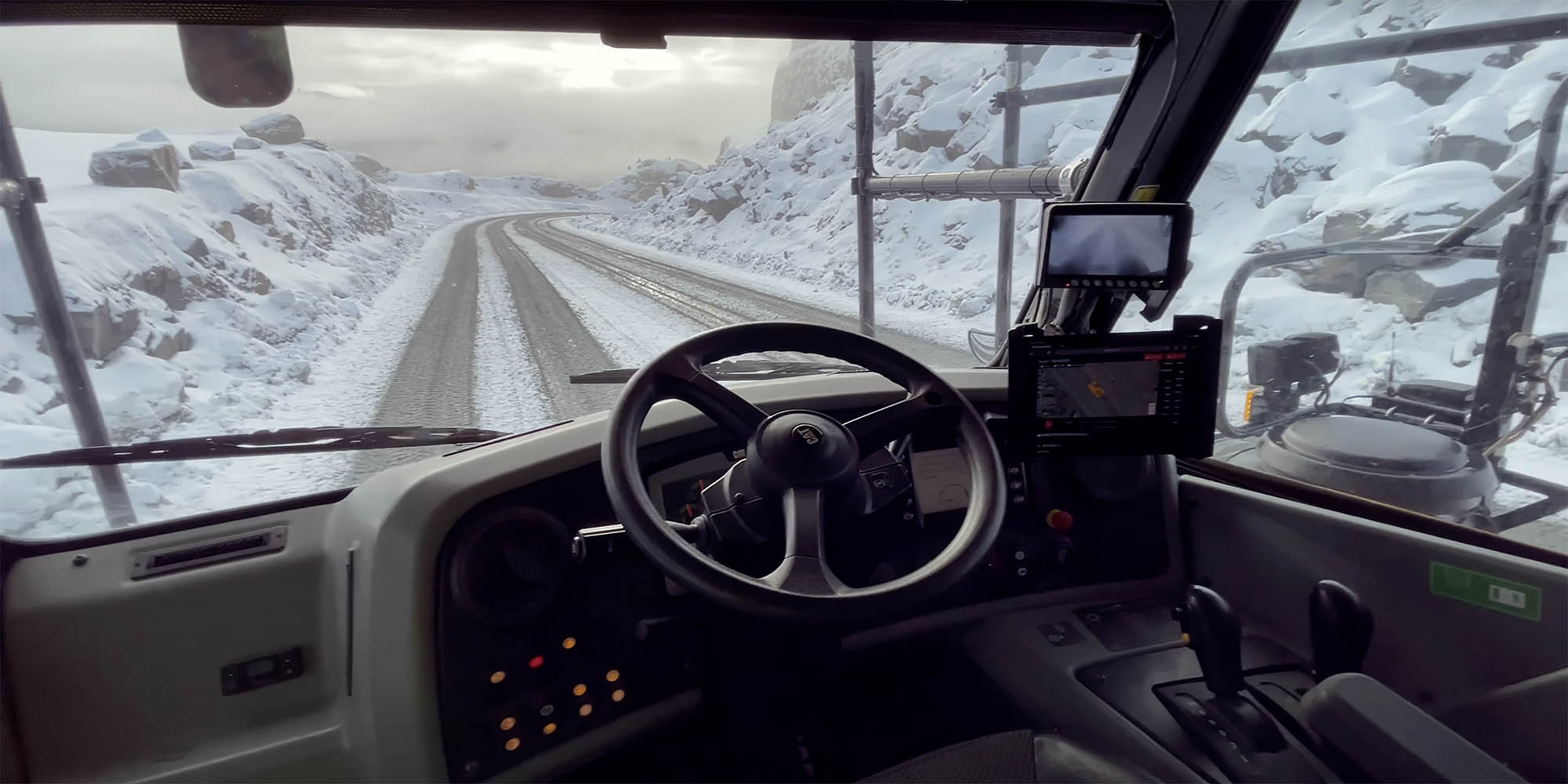
Autonomous mining trucks are self-driving haul trucks equipped with advanced sensors, AI-powered systems, GPS positioning, radar, LiDAR, cameras, and edge computing technologies. As part of broader autonomous earthmoving strategies, these vehicles operate with minimal or no human intervention and are capable of transporting large volumes of material across mining sites with remarkable precision. Modern autonomous earthmoving applications also include excavators, bulldozers, loaders, and other heavy-duty machinery designed to improve automation across mining and quarry operations.
As mines become increasingly digitalized, autonomous mining trucks and autonomous earthmoving systems play a critical role in enabling smarter and safer operations. Mining operators can reduce human exposure to dangerous environments while simultaneously improving productivity and reducing operating costs.
However, autonomy in mining requires more than software alone. Reliable and rugged computing hardware is essential to ensure continuous system performance in extreme conditions.
Autonomous mining trucks are rapidly becoming a key technology for the future of mining. Global mining operations are challenged by labor shortages, rising fuel costs, stricter environmental regulations, and growing demands for efficiency. Autonomous systems address these challenges by delivering several significant advantages:
Mining environments are among the harshest and most dangerous workplaces in the world. Autonomous mining trucks help minimize accidents by reducing the need for human operators in hazardous zones. Advanced perception systems continuously monitor the vehicle surroundings, enabling real-time obstacle detection, collision avoidance, and safer fleet coordination.
Unlike human-operated vehicles, autonomous mining trucks can operate 24/7 with consistent performance. Autonomous fleets reduce downtime, optimize routes, and improve cycle times. The result is higher operational efficiency and increased material throughput.
Mining companies are under increasing pressure to reduce emissions and improve sustainability. Autonomous systems enable more efficient driving patterns, optimized acceleration, and reduced idle times. Combined with electrification strategies, autonomous mining trucks support more sustainable mining operations.
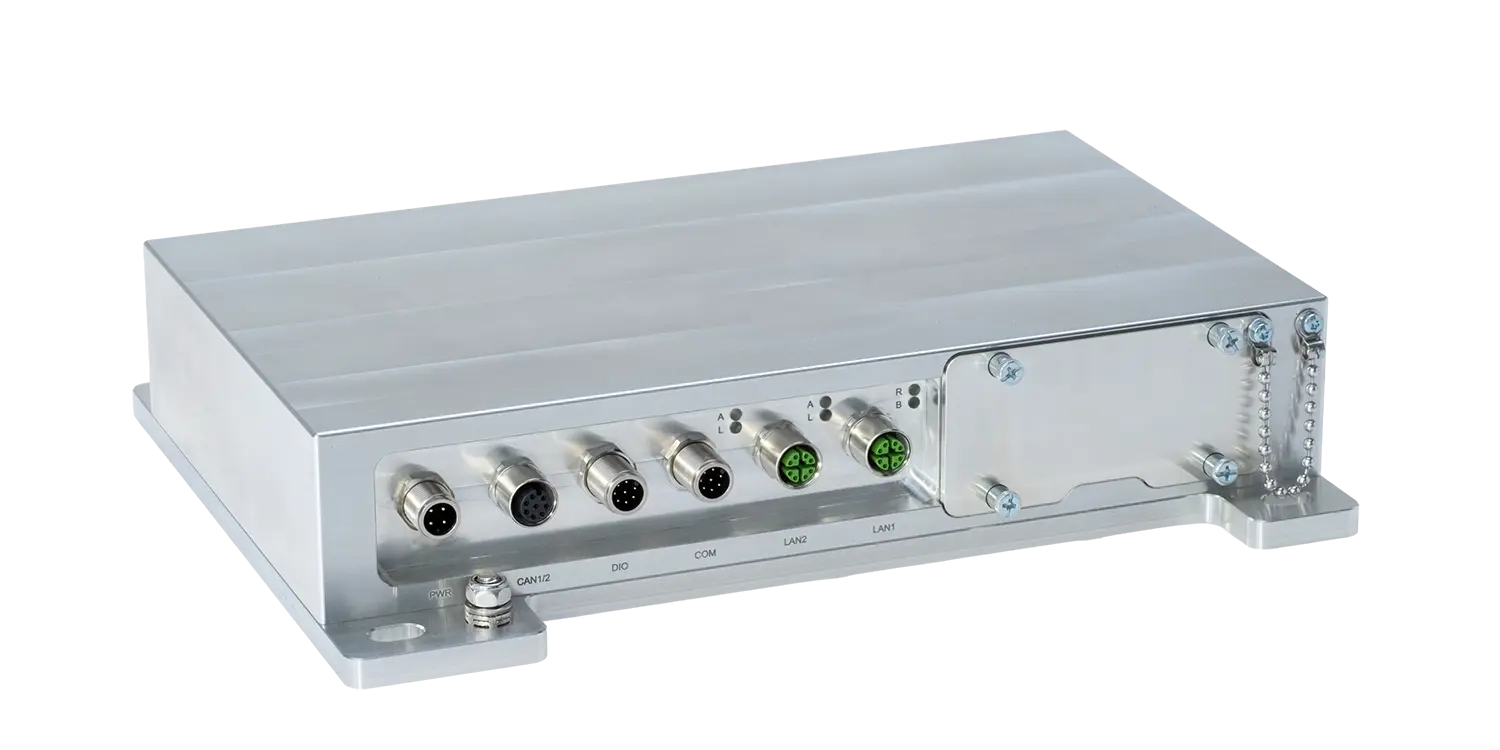
Mining sites generate large amounts of dust and airborne particles. Traditional fan-based cooling systems are highly susceptible to contamination and mechanical failure. Fanless computers eliminate moving parts and significantly improve long-term reliability.
Mining trucks operate on rough terrain under continuous mechanical stress.
Embedded systems must withstand constant vibration, heavy impacts, and harsh operating conditions without compromising system stability.
Mining projects are long-term investments. Autonomous vehicle platforms require computing systems with long product lifecycles and reliable component availability.
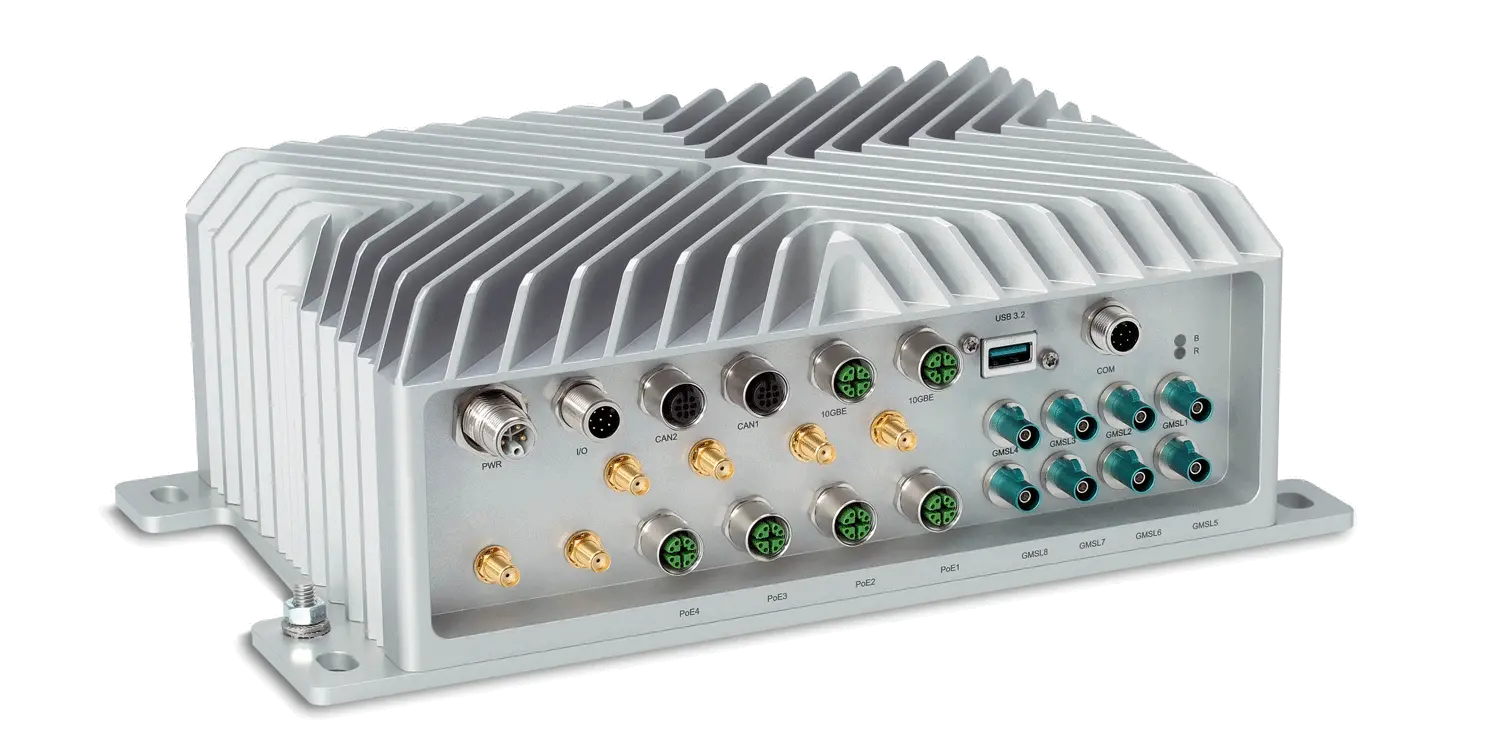
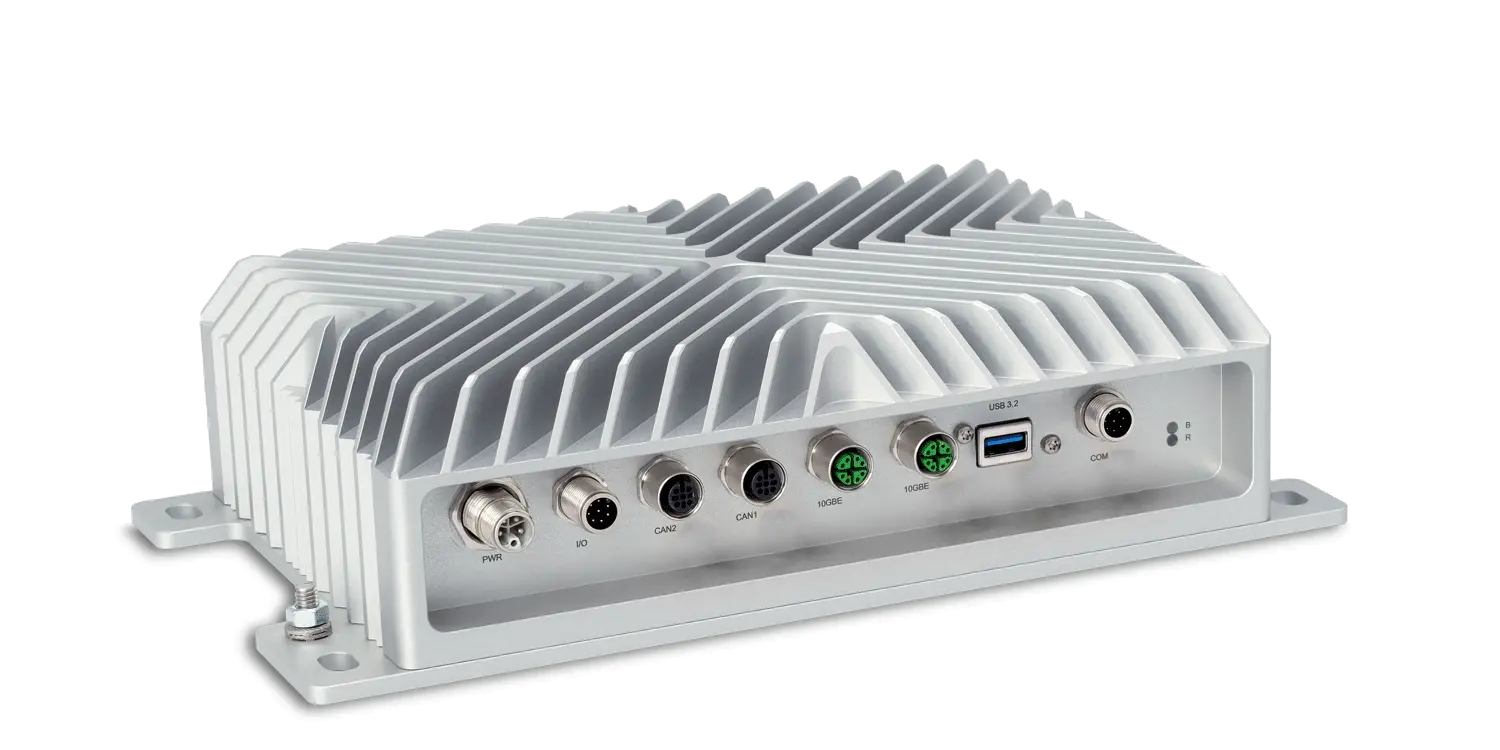
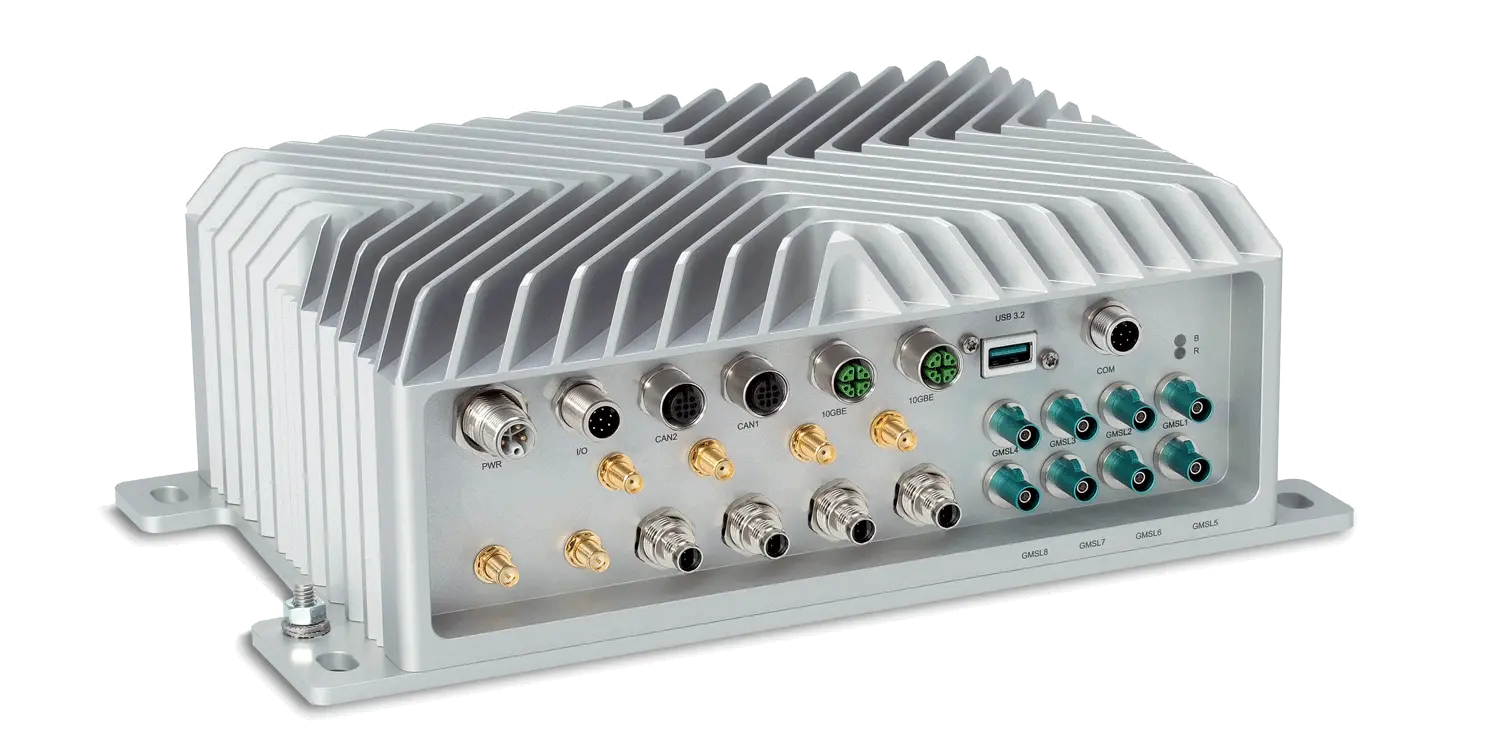
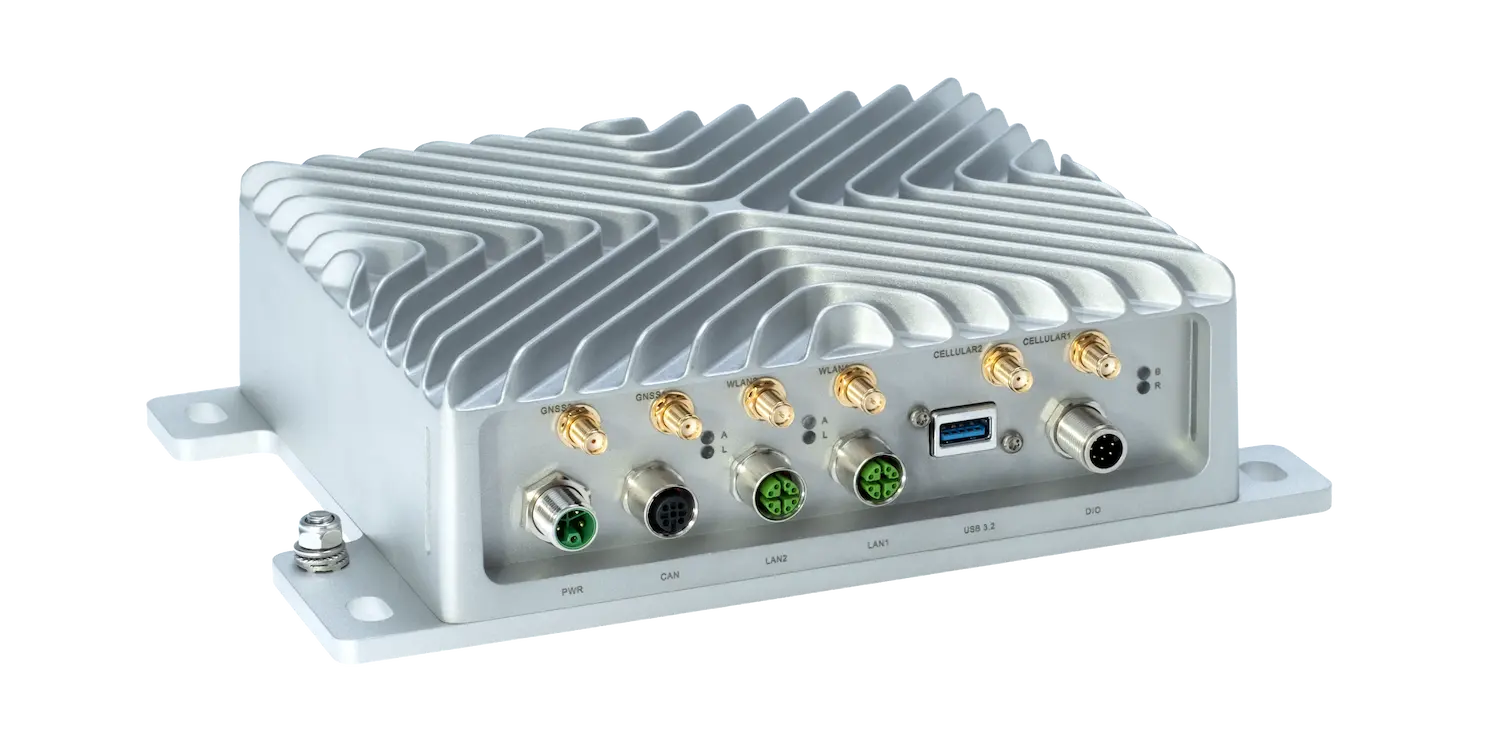
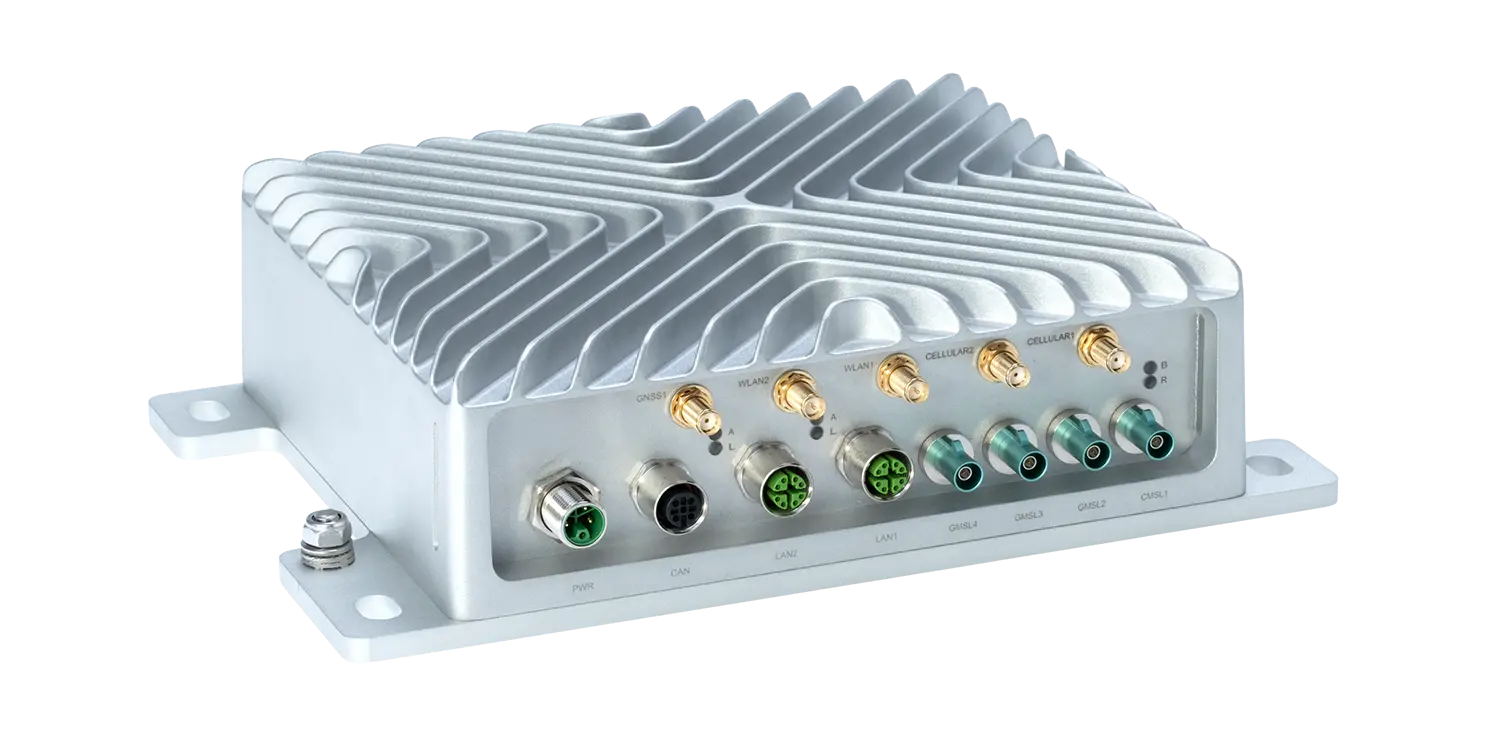
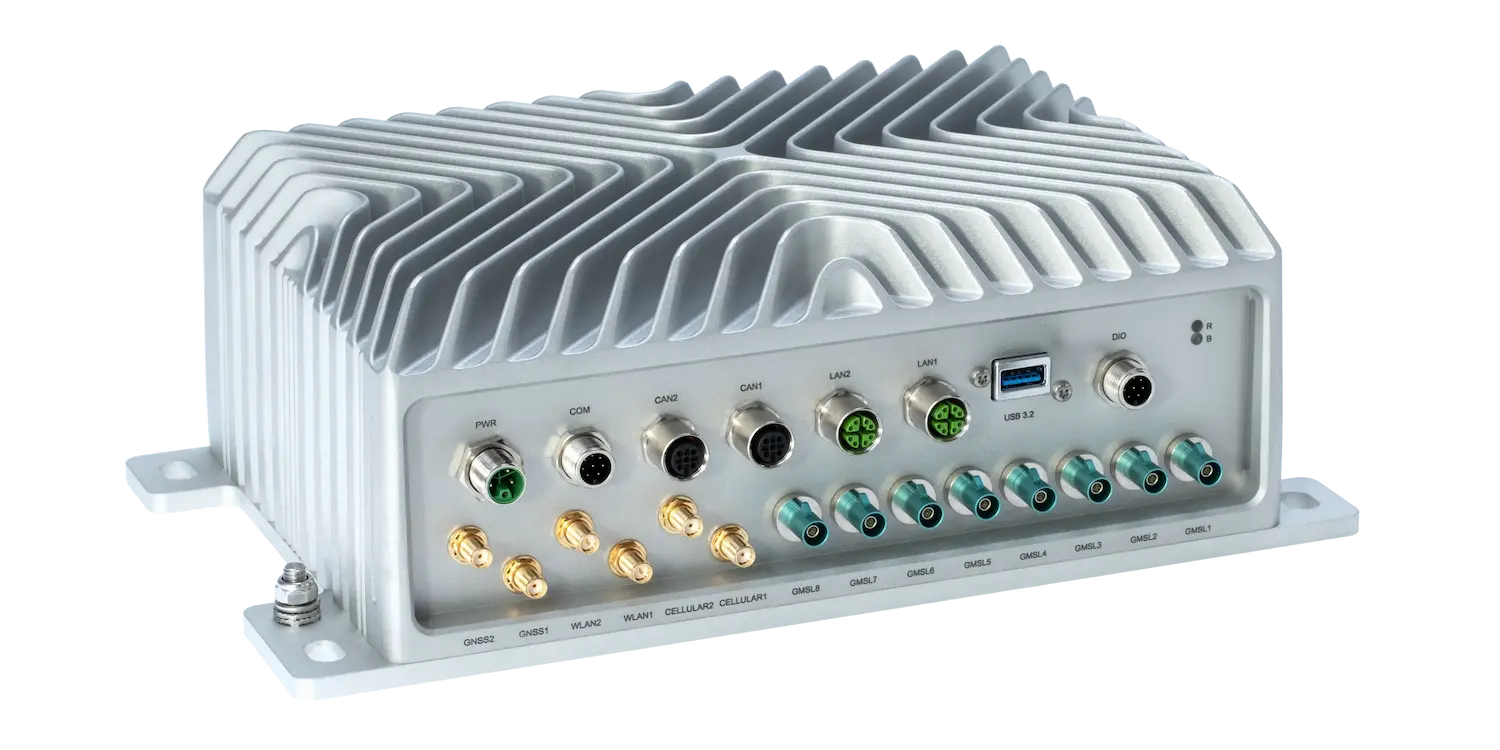
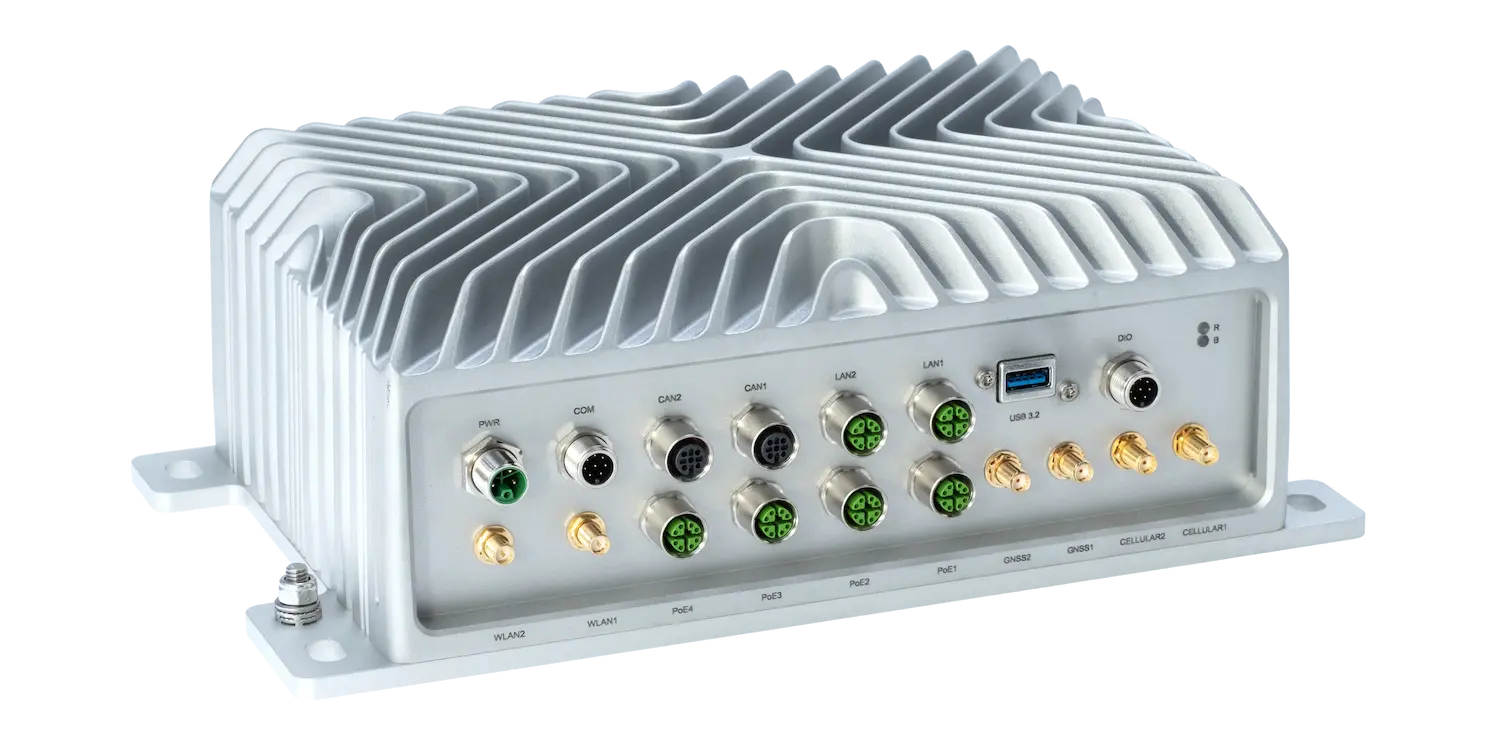
Autonomous mining trucks require rugged and reliable computing platforms that can operate flawlessly in the harshest environments. Syslogic delivers industrial-grade edge computers designed specifically for autonomous vehicles, heavy-duty machinery, and AI-powered mining applications.
Contact us during office hours | Mon–Fri, 8:00 a.m. – 5:00 p.m. (CET)
Autonomous mining trucks and autonomous earthmoving systems are transforming the future of mining and heavy equipment operations. Powered by AI, advanced sensors, and rugged edge computing, these intelligent machines enable safer, more efficient, and highly automated workflows in some of the world’s harshest industrial environments. Below you will find answers to the most common questions about autonomous mining technology, computing requirements, and the role of rugged embedded systems in modern smart mining applications.
Autonomous mining trucks are self-driving haul trucks designed to transport materials across mining sites with minimal or no human intervention. They rely on advanced technologies such as AI-based perception systems, LiDAR, radar, GPS positioning, cameras, and real-time edge computing to navigate safely and efficiently in complex environments.
Autonomous earthmoving refers to the broader automation of heavy-duty construction and mining machinery, including excavators, bulldozers, wheel loaders, and dump trucks. These systems are increasingly used in mining, quarrying, and large infrastructure projects to improve operational efficiency and reduce human exposure to hazardous conditions.
As mining operations become more digitalized, autonomous mining trucks and autonomous earthmoving equipment are playing a central role in the evolution of smart mining and intelligent heavy machinery.
Autonomous mining trucks generate and process enormous amounts of real-time sensor data. To operate safely and reliably, they require high-performance rugged computing platforms capable of supporting AI workloads, sensor fusion, autonomous navigation, and fleet communication.
These computers must operate reliably under extremely harsh conditions, including:
Traditional commercial computers are not designed for these conditions. Instead, mining applications require rugged fanless industrial computers with industrial-grade reliability and long-term availability.
Modern autonomous earthmoving systems also rely heavily on edge AI computing to enable low-latency decision-making directly inside the vehicle without depending entirely on cloud infrastructure.
There is no single “best” manufacturer for control computers used in autonomous mining trucks. The ideal solution always depends on the specific application, environmental conditions, AI requirements, and long-term operational goals of the mining project.
Autonomous mining and autonomous earthmoving applications place extremely high demands on embedded computing hardware. Systems must deliver reliable real-time performance while operating in harsh conditions that include shock, vibration, dust, moisture, and extreme temperatures. In addition, long product availability and industrial-grade reliability are critical for mining projects with long deployment cycles.
Manufacturers specializing in rugged industrial and embedded computing — particularly those with experience in off-highway vehicles, autonomous systems, and edge AI — are generally best suited for these applications.
Important selection criteria include:
Companies such as Syslogic and other industrial embedded computing specialists offer platforms designed specifically for demanding mobile and autonomous environments.
For mining operators and system integrators, the most suitable solution is usually the one that combines high computing performance with proven long-term reliability in real-world industrial conditions.
Syslogic develops rugged fanless embedded computers specifically designed for harsh industrial and mobile environments. The company’s industrial-grade systems are widely used in autonomous vehicles, heavy equipment, transportation, and edge AI applications.
For autonomous mining trucks and autonomous earthmoving machinery, Syslogic provides computing platforms capable of handling demanding AI and real-time processing workloads while maintaining reliable operation in extreme environmental conditions.
Key advantages of Syslogic rugged computers include:
These features make Syslogic systems ideal for autonomous haul trucks, excavators, dump trucks, and other heavy-duty autonomous machinery.
The future of mining is increasingly autonomous, connected, and data-driven. Autonomous mining trucks and autonomous earthmoving systems are expected to become standard technologies across modern mining operations as companies continue investing in automation and AI-driven optimization.
Future developments will include:
Reliable rugged computing platforms will remain a critical foundation for these technologies. As autonomous systems become more sophisticated, the demand for durable, high-performance embedded computers capable of operating in harsh mining environments will continue to grow.