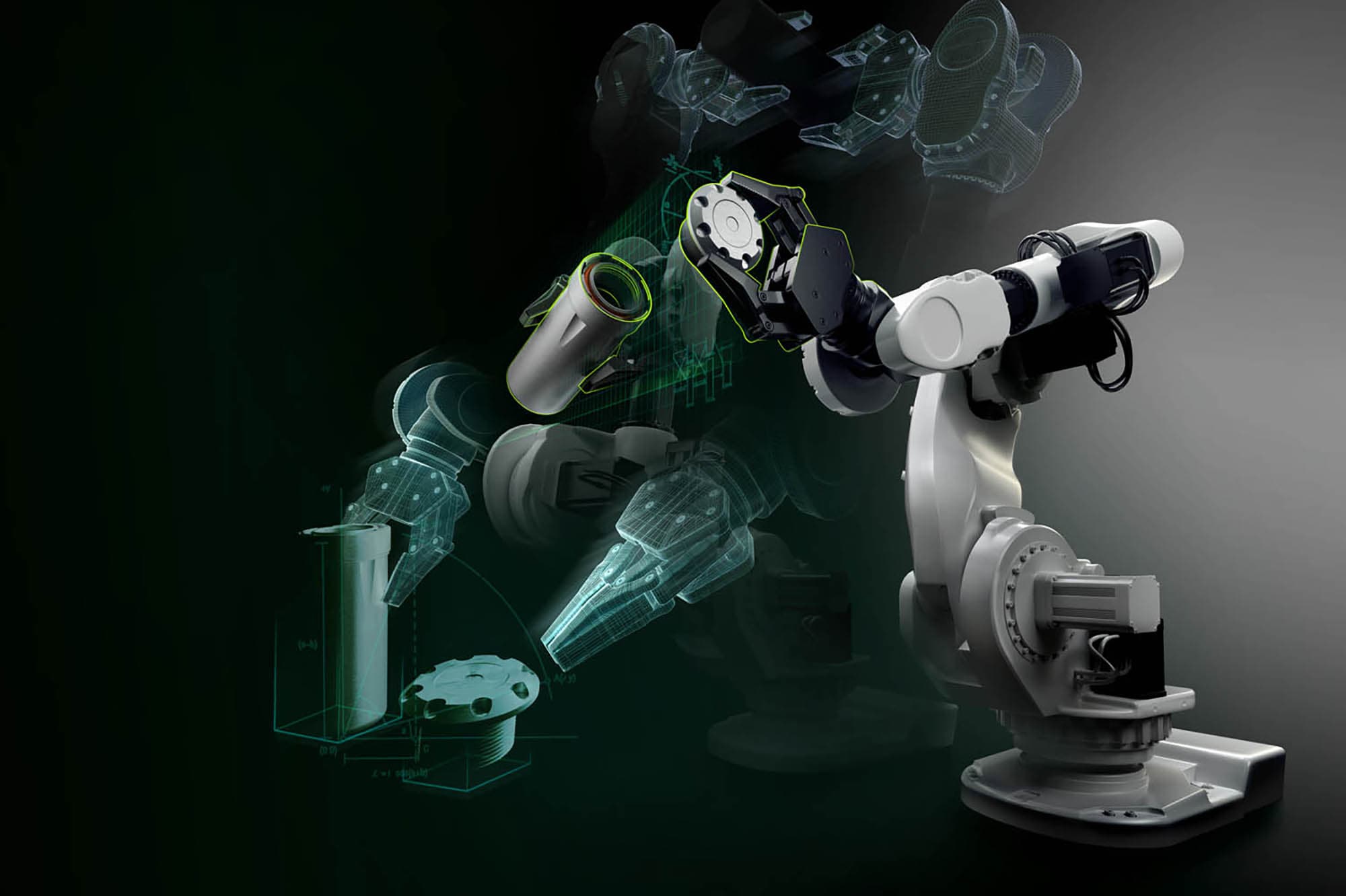
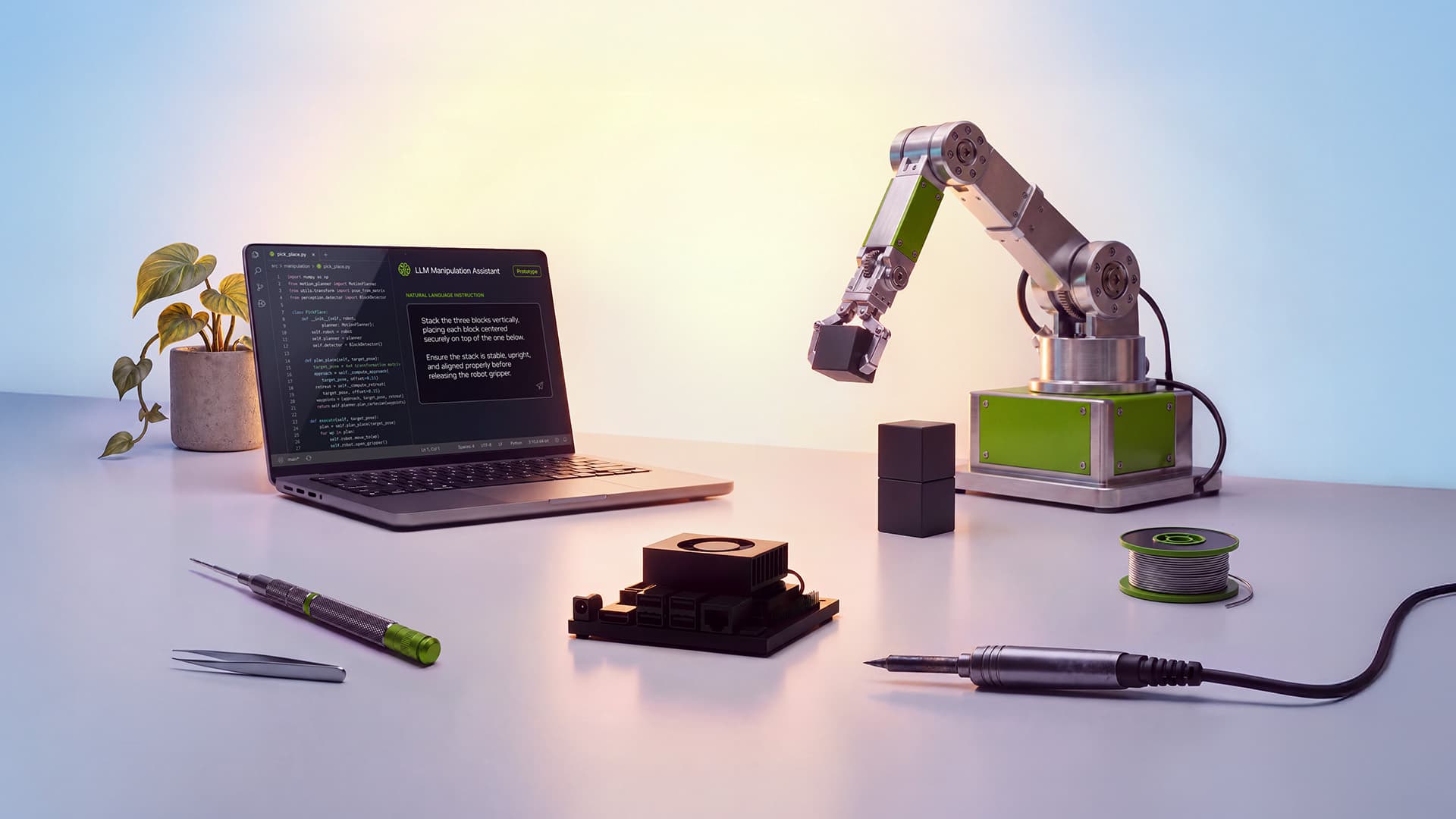
ROS 2 (Robot Operating System 2) is increasingly used as a middleware for computer vision and autonomous systems. Especially in industrial environments, ROS 2 enables scalable communication between sensors, actuators, and AI-based processing nodes. The middleware is modular and has functions for sensor processing and evaluation as well as for the control of actuators. Accordingly, the open source platform is being promoted worldwide.
Meanwhile, Open Robotics, the main operator of ROS 2, is working with AI pioneer NVIDIA®. The goal of the partnership is to increase the performance of ROS 2 on GPU-based systems, especially on NVIDIA® Jetson™. In the future, they hope that data from various sensors, such as cameras and lidars, will be processed in real time. Furthermore, the two robotics simulators Ignition Gazebo by Open Robotics and Isaac Sim by NVIDIA will be merged to take advantage of both platforms.
Robust embedded systems for ROS 2 applications in harsh environments
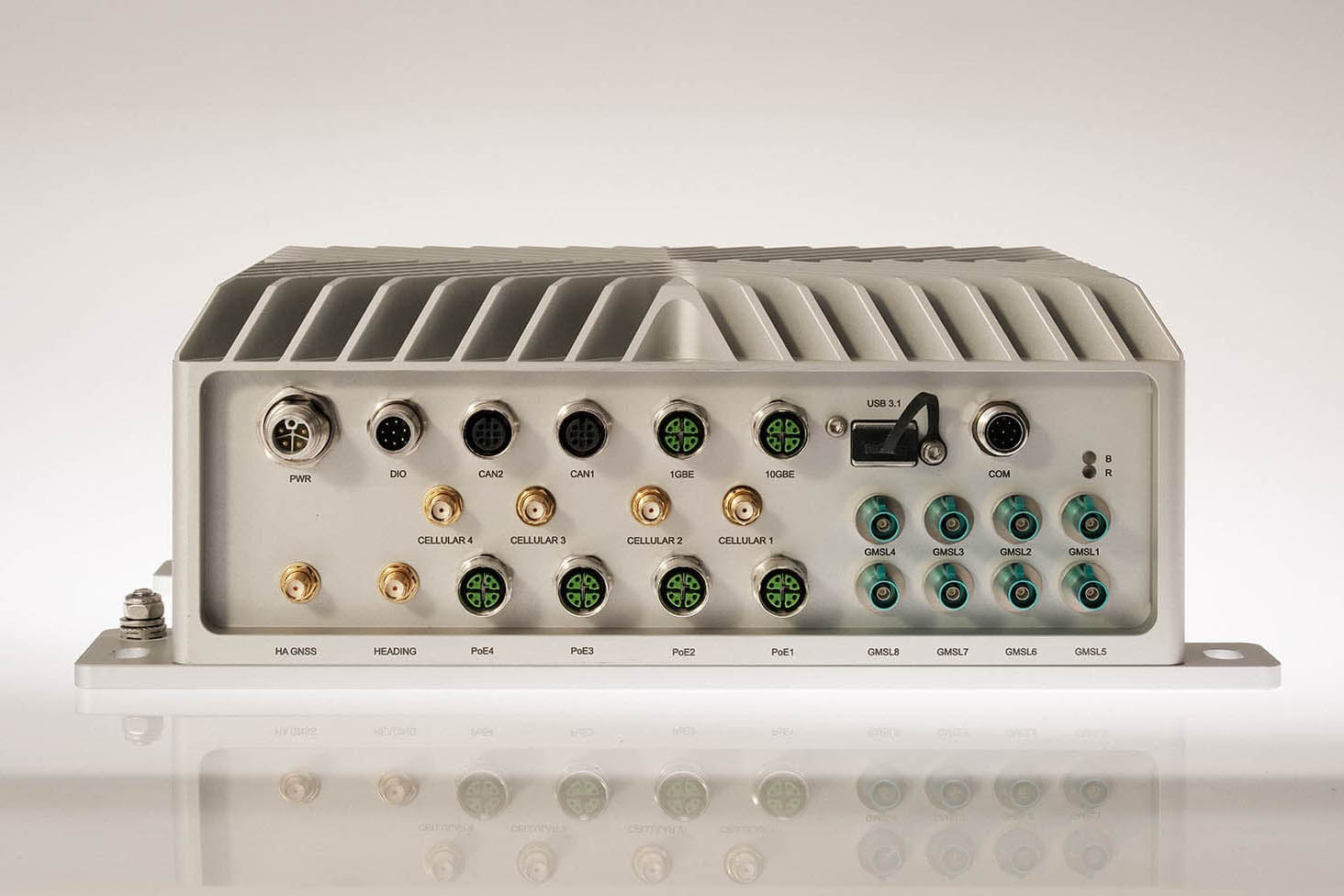
On the hardware side, the embedded systems of NVIDIA Preferred Partner Syslogic are perfect for ROS 2 applications. This is especially true when very robust hardware solutions are required. Syslogic’s embedded systems are based on NVIDIA Jetson modules and are specifically designed for particularly harsh environmental conditions. They are resistant to shock, vibration, humidity, moisture, and dust. Accordingly, they are used in agricultural vehicles, in construction machinery, or in trains and perform tasks such as video analysis, computer vision, inferencing, or autonomous driving.
ROS 2 on NVIDIA Jetson still requires an extra step
One more thing is needed before the current version of ROS 2 Foxy Fitzroy can be used with hardware based on NVIDIA Jetson, because ROS 2 requires version 20.04 of Ubuntu Linux. However, the current versions of the NVIDIA Jetpack SDK are based on Ubuntu 18.04. Accordingly, an intermediate step via a “Docker Container” is necessary to use ROS 2 Foxy Fitzroy on NVIDIA Jetson modules. The Docker acts like a virtual machine that makes ROS 2 compatible with the latest versions of JetPack. How ROS 2 is used via the Docker is described on the Syslogic website.
JetPack version 5 is about to launch
However, NVIDIA has announced the release of JetPack version 5 later this year, which will support ROS 2. Accordingly, integration will soon be simplified, which will further boost ROS 2. Therefore, it is already worthwhile to capitalise on ROS 2 for future computer vision applications. When it comes to applications under harsh environmental conditions, Syslogic’s robust embedded systems provide the perfect hardware base for controlling autonomous robots, machines, and vehicles in conjunction with ROS 2 Foxy Fitzroy.