Edge AI is far more than a buzzword. By enabling intelligent decisions directly where data is created, it opens new possibilities across industries. Here’s what you need to know about Edge AI.

In today’s digital landscape, data volumes and AI requirements are growing at an explosive pace. Traditional cloud models are reaching their limits: long latency, high bandwidth costs and increasingly strict data-privacy regulations slow down future applications. AI at the Edge — running AI functions directly at the “network edge,” close to sensors – offers a forward-looking alternative.
AI Edge refers to the combination of artificial intelligence and edge computing. Instead of sending data to data centers or the cloud for processing, AI models run directly where data is generated. This means data is processed at the source — in IoT sensors, cameras, machines or embedded systems.
• Real-time reactions: Edge AI enables responses within milliseconds.
• Reduced bandwidth: Less data needs to be transmitted to the cloud, lowering costs and easing network load.
• High data security: Sensitive information stays local, supporting data protection and compliance.
• Robustness: Systems continue to operate even with limited or no connectivity — ideal for remote or hard-to-reach locations.
To enable AI at the Edge, AI-capable embedded systems are often used. These devices can process high-resolution data streams from multiple sensors — such as cameras, radar, LiDAR or industrial measurement systems — directly on the device. Sensor data is fused, interpreted and transformed into actions in real time, without sending raw data to the cloud. In other words, embedded AI systems enable intelligent decision-making right at the edge.
In industrial manufacturing, this enables precise quality inspection and instant detection of tiny deviations. Continuous machine-data analysis also allows predictive maintenance, since systems can anticipate failures before they occur.
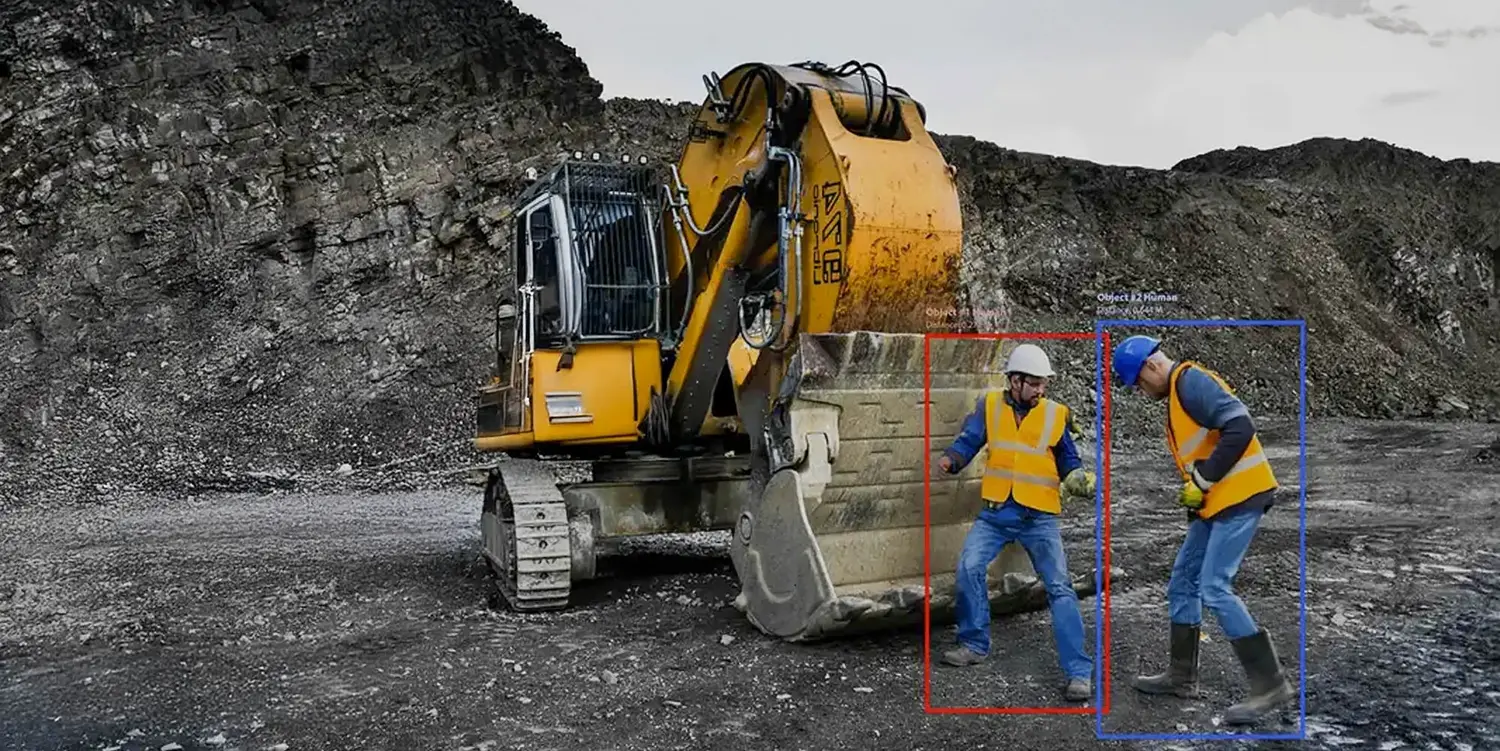
The potential is especially evident in mobility applications. Vehicles, autonomous robots and mobile machines process large volumes of sensor information locally to make immediate decisions in the field. This improves reaction times, reliability and safety — even when network connectivity is unstable. In autonomous vehicles, for example, the on-board computer processes sensor data directly in the vehicle to react instantly to obstacles.
Security systems also benefit from local AI. Smart cameras and perimeter devices analyze image and audio data on site, detect anomalies in real time and trigger events — without relying on data transmission or cloud latency.
While cloud-based AI models remain essential for training and complex analysis, real-time decision intelligence is moving closer to the data source. Edge AI combines computing power, efficiency and autonomous intelligence within embedded systems — paving the way for advanced applications in industry, mobility, healthcare and beyond.
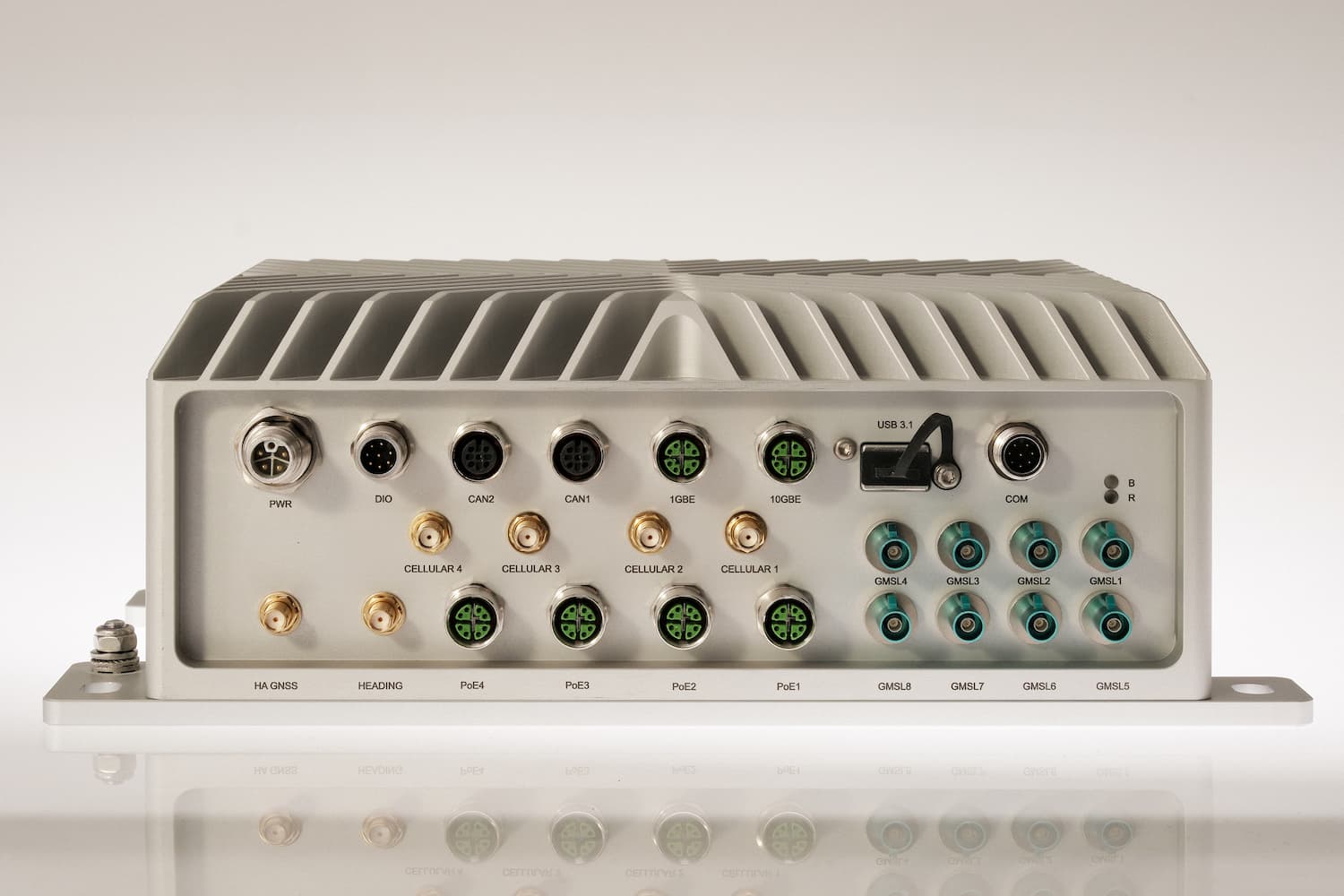
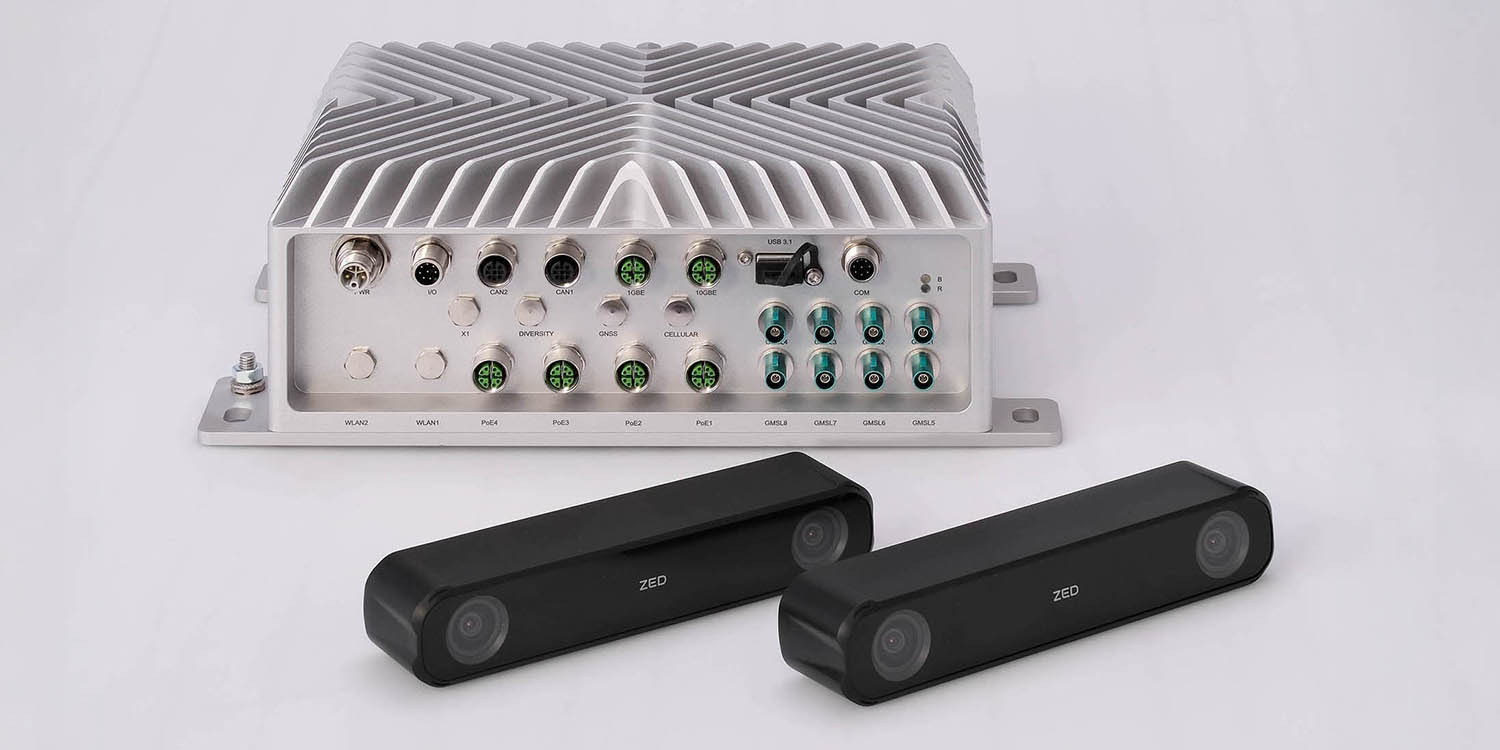
Where environmental conditions are extreme and connectivity is limited, specialized hardware is essential. Syslogic provides AI Edge computers engineered precisely for these challenges. With their fanless design and industrial-grade construction, these embedded systems are ideal for industrial, outdoor and automotive environments.
Syslogic’s Edge AI computers are based on NVIDIA Jetson SoMs (System on Modules), delivering true intelligence directly at the edge. Their uncompromising industrial design ensures long service life, even in harsh conditions. Whether for predictive maintenance, visual quality inspection or autonomous control of machines, robots or vehicles – Syslogic’s rugged AI Edge computers enable OEMs and system integrators to fully leverage the benefits of Edge AI.

Unlock the potential of AI at the edge with our robust embedded systems designed for industry, mobility and the Internet of Things (IoT).
Call our technical sales team

Edge AI refers to running artificial intelligence directly on the device where data is generated — rather than sending information to the cloud for processing. While conventional AI relies on powerful remote servers, Edge AI brings the required computing resources onto embedded systems, smart sensors or local gateways. This approach enables devices such as industrial sensors, smart cameras or mobile machines to analyze data in real time. By processing information locally, Edge AI reduces latency, minimizes reliance on network connectivity and helps protect sensitive data.
Cloud-based AI relies on remote data centers with large computing resources. Edge AI, on the other hand, processes data directly on the device. This enables real-time responses, reduces bandwidth usage and keeps sensitive data local – ideal for applications in industry, mobility and IoT.
Edge AI is particularly valuable when fast decisions, high reliability or limited connectivity are required. Typical use cases include autonomous machines and vehicles, industrial quality inspection, predictive maintenance, smart cameras, robotics and sensor-fusion systems.
Edge AI workloads require embedded hardware that delivers high performance in a compact, energy-efficient and durable form factor. Rugged systems – such as Syslogics NVIDIA-Jetson-based embedded computers – ensure reliable AI inference even in harsh environments, making them essential for industrial, automotive and outdoor applications.